
What to Look for When Hiring an Architectural Photographer in Toronto
Hiring the right photographer to document a building or commercial space is an important decision. Architecture is complex, especially in Toronto. It involves structure, lighting, materials, spatial flow, and the surrounding environment. Capturing these elements requires more than basic photography skills. It requires the experience of an architectural photographer in Toronto who understands both design and technical composition.
Whether the images are intended for marketing, portfolios, development reports, or publication, professional photography helps present a project accurately and professionally.
1. Experience With Architectural Projects
The first thing to evaluate is a photographer’s experience with architectural subjects. Buildings require careful framing, perspective control, and an understanding of how lines and geometry interact within the frame.
An experienced architectural photographer knows how to emphasize structure while maintaining visual balance. This level of expertise is especially important for architects, developers, and commercial property owners who rely on accurate representation of their work.
Professional portfolios should show a variety of building types, including commercial properties, residential developments, and public spaces.
2. Understanding of Light and Timing
Lighting is one of the most critical aspects of professional architectural photography. Natural light changes throughout the day and dramatically affects how a structure appears in photographs.
Professional photographers plan shoots carefully to take advantage of optimal lighting conditions. Early morning, late afternoon, or twilight often produce the most balanced images, allowing architectural details to stand out without harsh shadows.
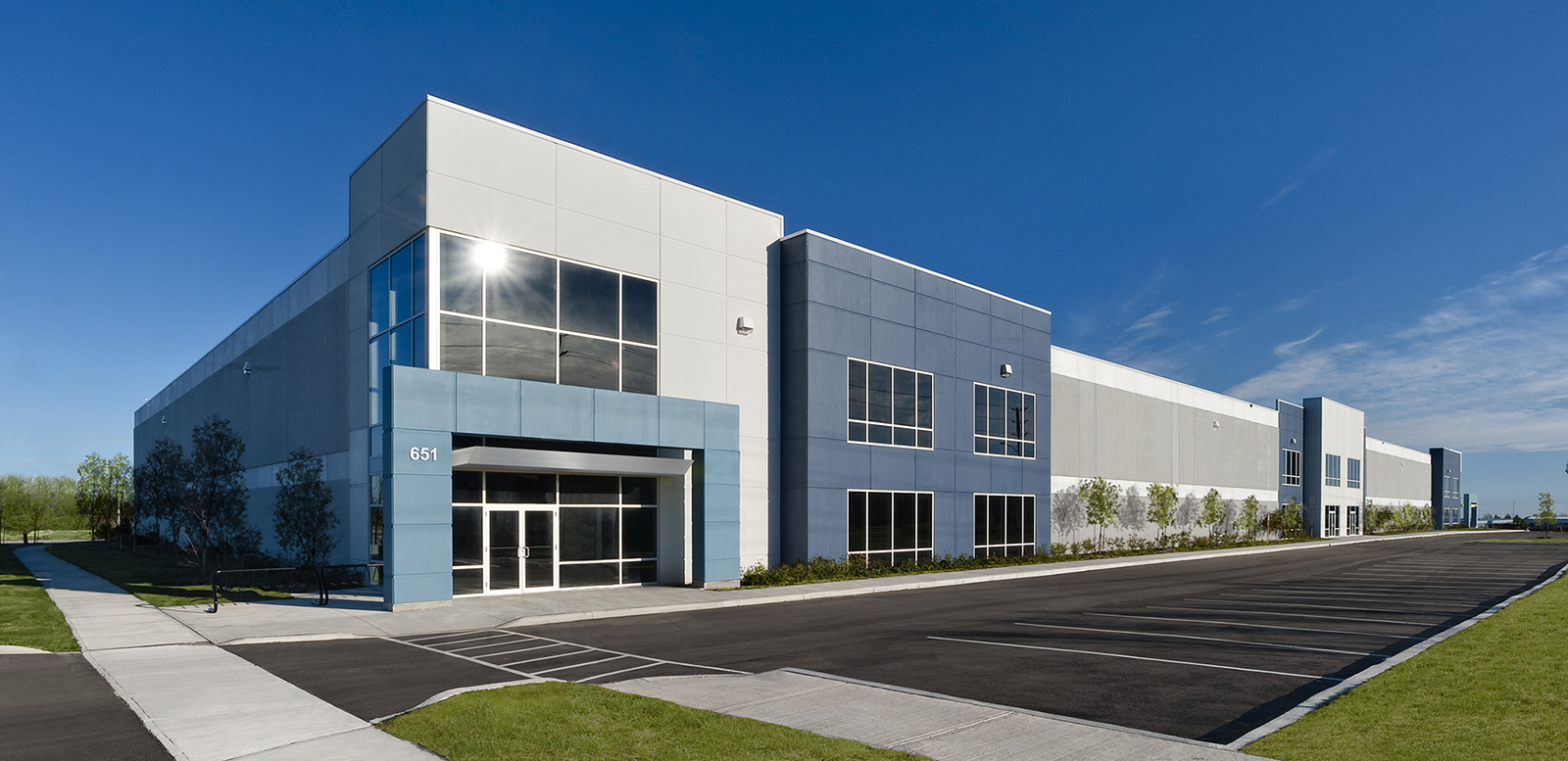
Understanding how exterior lighting interacts with the building itself is also essential when delivering high-quality photography of architectural exteriors.
3. Technical Equipment and Editing
Architectural photography often requires specialized equipment such as tilt-shift lenses, high-resolution cameras, and advanced stabilization tools. These tools help maintain straight vertical lines and prevent distortion, which is crucial when photographing buildings.
Meanwhile, professional editing ensures that colors, textures, and lighting appear natural while maintaining the integrity of the architectural design.
4. Portfolio Consistency and Style
A strong portfolio should demonstrate clean compositions, accurate perspectives, and attention to architectural detail. For instance, while shooting properties in Toronto, a reliable architectural photographer should be able to adapt their approach depending on the project. Some clients require editorial-style imagery for magazines, while others need documentation for real estate marketing or architectural portfolios.
Choosing the Right Professional
Architecture deserves to be documented with the same level of precision that went into designing it. At Philip Castleton Photography, we approach architectural projects with a focus on structure, balance, and visual storytelling. As an experienced architectural photographer in Toronto, we work closely with architects and development teams to ensure every image reflects the intent behind the design.
If you’re planning a new project, contact us to discuss the scope of your building, timeline, and visual goals.
