
Exterior Architectural Photography: Capturing Scale, Context, and Brand Identity
Buildings are designed to exist within a larger environment. Streets, surrounding structures, landscaping, and natural light all influence how architecture is perceived. Exterior architectural photography focuses on capturing this relationship between a building and its surroundings while communicating the design’s identity.
Choosing the Right Time of Day
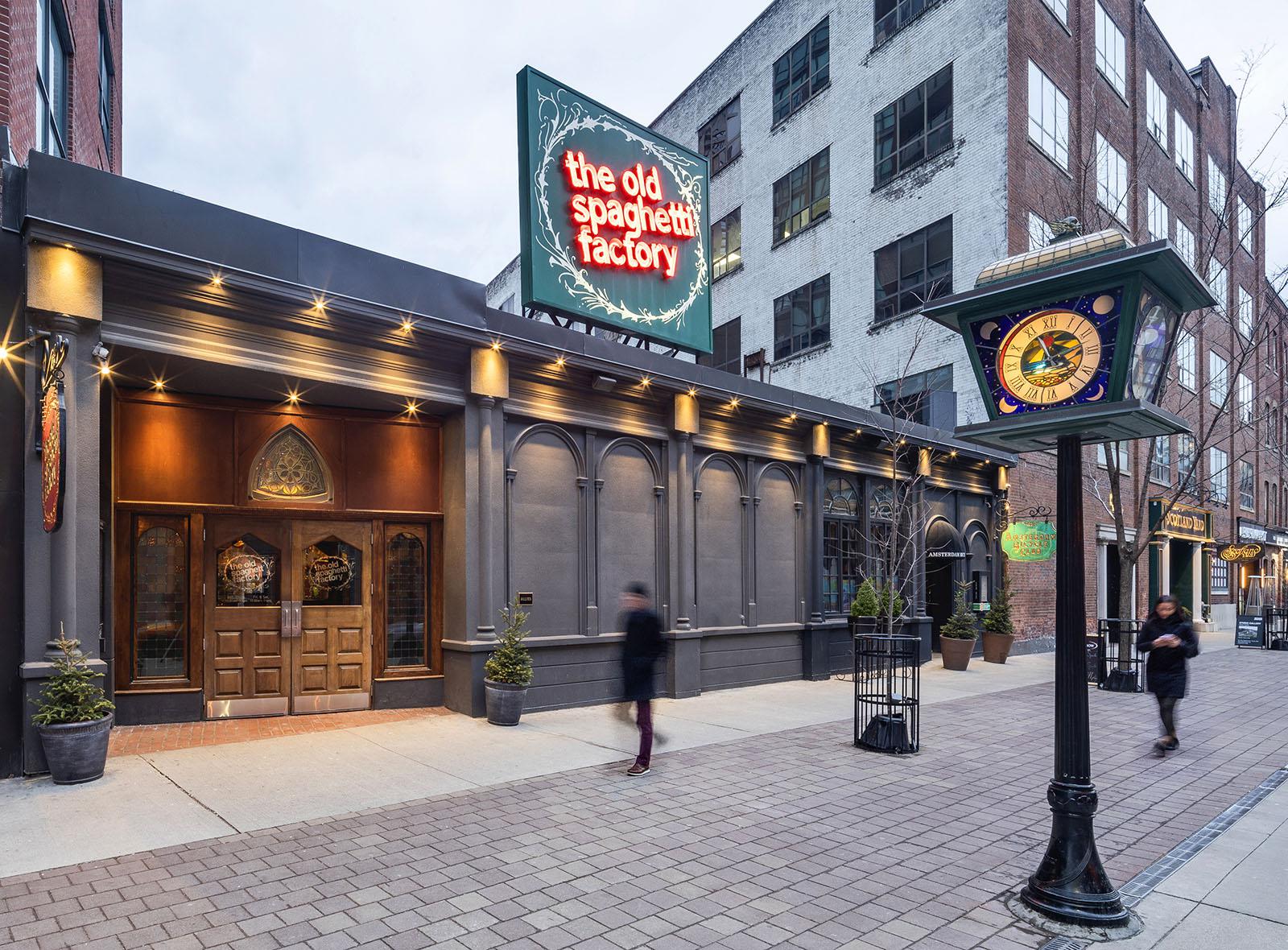
Timing plays a crucial role in exterior architectural photography. Natural light dramatically changes how a building appears in photographs.
Early morning and late afternoon often provide softer light that reveals architectural details without harsh shadows. Twilight photography can also be effective for commercial properties because it balances exterior lighting with the building’s interior illumination.
Professional architectural photographers carefully schedule shoots around these lighting conditions to ensure that the structure’s materials, textures, and form are captured accurately.
Showing Environmental Context
Exterior photography is not just about the building itself. It is also about how the structure interacts with its surroundings.
A building may sit within a busy urban district, along a waterfront, or within a landscaped development. These surroundings influence how viewers understand the project. A skilled architectural photographer frames compositions to include elements such as neighboring buildings, street activity, or natural features that help define the architectural setting.
Capturing this environmental context allows the images to communicate the full story of the design.
Using Drone Perspectives for Scale
Aerial photography has become an important tool in modern professional architectural photography. Drone imagery allows photographers to capture perspectives that are impossible from ground level.
These elevated views help reveal the building’s scale, layout, and relationship to surrounding infrastructure. Developers and architects often use aerial imagery to showcase large developments, commercial complexes, or urban planning projects.
Drone photography can also highlight architectural symmetry and spatial organization in ways that traditional angles cannot.
Navigating Urban Density
Photographing buildings in dense cities presents unique challenges. Narrow streets, nearby high-rises, and limited shooting space can make it difficult to capture clean compositions.
Professional photographers rely on specialized lenses and careful positioning to maintain accurate vertical lines while minimizing visual distractions. An experienced architectural photographer understands how to work within these limitations to produce images that remain balanced and visually clear.
Urban architectural photography requires patience, planning, and an understanding of how to isolate the building within a busy environment.
Architectural Storytelling Through Imagery
Exterior architectural photography ultimately serves as a storytelling tool. The goal is to communicate the design philosophy, purpose, and identity of the structure through carefully composed images.
At Philip Castleton Photography, we provide photography services of architectural exteriors designed to highlight the identity and character of each project. As an architectural photographer in Toronto, we work with architects and developers to produce exterior imagery that captures both the structure and the environment surrounding it.
If your next project requires refined professional architectural photography, we are always ready to coordinate exterior photography that presents your building with clarity and precision. Call now.
