
How Professional Real Estate Photography Creates Stronger First Impressions
A property listing lives or dies by its first image. In a market where buyers are scrolling through dozens of listings in minutes, professional real estate photography is the single most controllable variable in determining whether a property earns a click or gets passed over. Before a buyer considers price, location, or square footage, they have already formed a visual impression that will shape every subsequent decision.
The Online Listing Is the First Showing
The majority of property searches begin online, and the images a listing leads with are doing the work of a first showing. A dimly lit bedroom photograph or a wide-angle shot that distorts room proportions does not just fail to impress. It actively signals that the property and the seller do not take presentation seriously.
A real estate photographer working at a professional level approaches each shoot with a clear brief: communicate the size, light, condition, and character of each space accurately and compellingly. That means understanding how natural light moves through a property at different times of day, how to balance interior and exterior exposure through windows, and how to choose angles that reveal depth rather than flattening it.
Staging, Preparation and the Pre-Shoot Process
Professional real estate photography does not begin when the camera arrives. It begins with preparation. Decluttering surfaces, removing personal items, ensuring all light fixtures are working, and staging key rooms to photograph well are all part of the process that separates a professional shoot from an informal one.
According to the National Association of Realtors’ research on home staging, staged properties spend significantly less time on the market and are more likely to receive offers above asking price. A professional photographer who works regularly with real estate clients understands how to guide clients through pre-shoot preparation, so the final images reflect the property at its best without misrepresenting it.
Composition and Image Quality
The technical quality of real estate photography directly affects how a property is perceived. Vertical lines that lean, windows that blow out to pure white, and rooms that appear smaller than they are all undermine buyer confidence before a single word of the listing description is read.
Commercial photography at a professional level uses properly corrected wide-angle lenses, tripod-mounted cameras for maximum sharpness, and bracketed exposures blended in post-production to manage the high dynamic range that interior spaces present. The result is imagery that is both technically accurate and visually compelling, two qualities that are not in conflict when the work is done properly.
Standing Out in a Competitive Market
In any active real estate market, professional imagery is not a differentiator in isolation. What differentiates is the quality, consistency, and strategic intent behind the images. Business photography experts who work specifically in real estate understand that each image needs to answer a buyer’s implicit question: does this space work for me?
Drone photography has become an increasingly valuable tool in this context. Aerial images that show a property’s relationship to its street, neighbourhood, and surrounding amenities communicate context that no interior shot can provide. For commercial and mixed-use properties especially, an aerial perspective is often the single most persuasive image in a listing package.
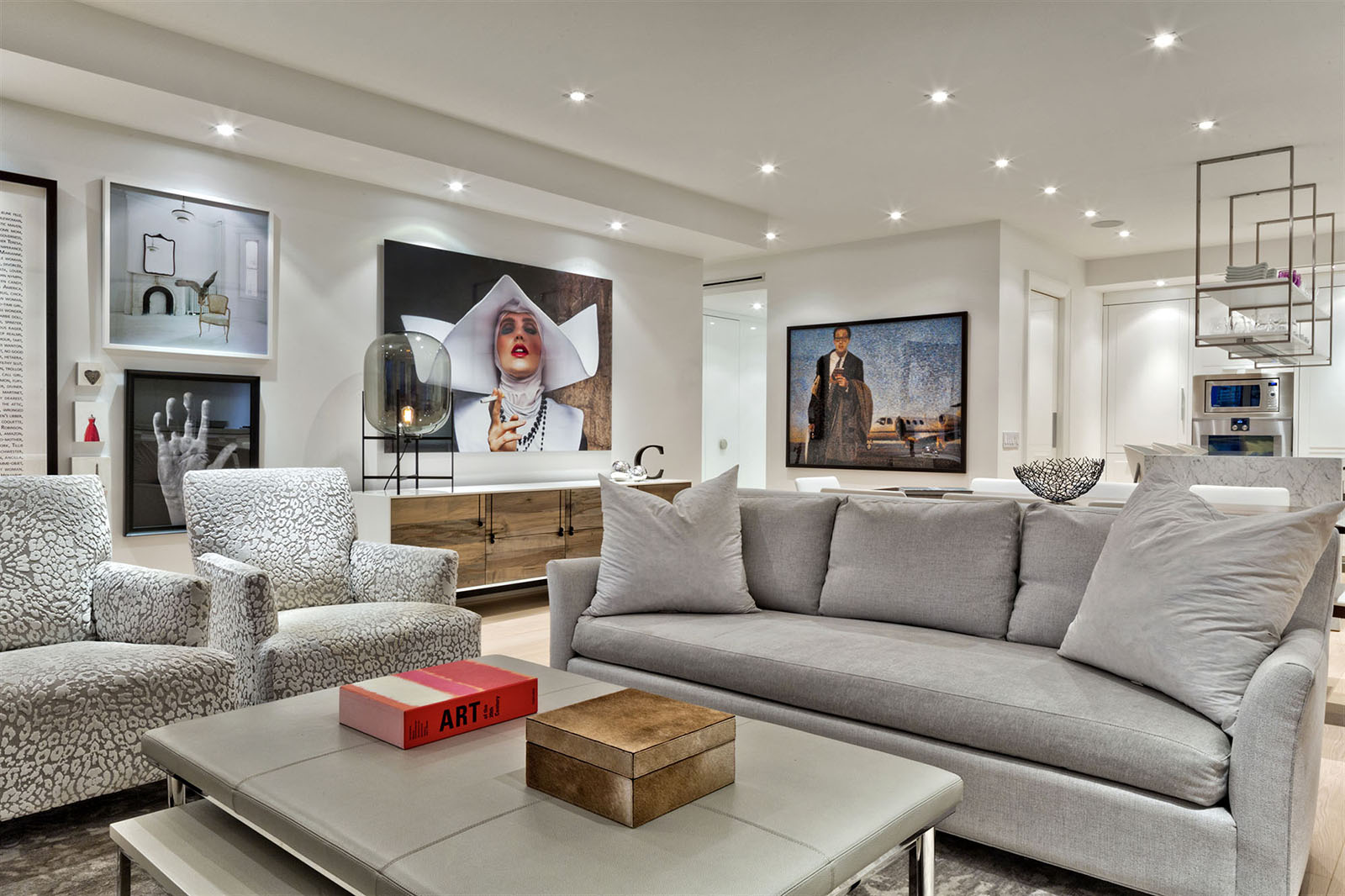
Your Listing Deserves Better Than a Phone Camera
At Philip Castleton Photography, we produce professional real estate photography for residential, commercial, and mixed-use properties across Toronto and North America. Our images are built to perform in listings, marketing packages, and investor presentations. Get in touch with us to discuss your property and timeline, and we will respond with a tailored quotation.
