
Interior Photography Techniques That Showcase Design Intent
An interior space can be thoughtfully designed, carefully detailed, and beautifully executed and still photograph badly. The gap between what a designer has created and what a photograph communicates is not a function of the design. It is a function of photography. For architects, interior designers, and commercial property professionals, understanding interior photography techniques that accurately translate design intent into images is essential for building a credible portfolio, attracting high-value clients, and producing materials that meet publication standards.
Light Is the Foundation of Every Interior Image
The single most important variable in interior photography is light, and it is also the most commonly mishandled. Amateur approaches to interior shoots typically rely on available ambient light from overhead fixtures, which produces uneven exposure, colour casts, and flat, dimensionless images. A space designed to feel warm and layered photographs as harsh and overlit when ceiling fixtures are left on during a shoot.
Professional interior design shoot experts approach lighting deliberately. Natural light is the preferred foundation, timed to the orientation of the space and the quality of light at a given hour.
Where natural light is insufficient or uneven, supplemental lighting using diffused strobes or LED panels fills shadow areas without overpowering the ambient quality of the room. Turning off artificial ceiling lights and working with controlled natural and supplemental light is one of the most consistently effective techniques for producing accurate, flattering interior images.
Composition and the Communication of Space
Beyond lighting, composition determines whether a photograph tells the story the designer intended. A poorly chosen viewpoint flattens depth, distorts proportions, and fails to communicate the spatial qualities that make a design successful. A well-chosen angle reveals sight lines, material relationships, and the layering of elements that define the character of a space.
Professional photography of interiors requires an understanding of how lenses render space. Wide-angle lenses are essential for capturing complete rooms but must be used with care to avoid distortion that misrepresents the actual proportions of a space. Vertical and horizontal lines must be kept true to maintain credibility. Professional photographers bring tilt-shift lenses and advanced post-processing techniques to correct distortion and ensure that the final image represents the space accurately rather than impressionistically.
Texture, Detail and the Supporting Shots
A complete interior photography commission is never a single hero image. The full story of a design is told through a combination of wide establishing shots, mid-range compositional images, and detailed photography that captures the material and textural qualities that distinguish the space.
The grain of a timber panel, the finish of a concrete surface, the shadow cast by a custom light fitting: these details are what separate a design from its competitors, and they require deliberate close-up photography to communicate effectively.
Reflectors and carefully positioned supplemental lighting are particularly valuable for detail photography, allowing the photographer to direct the viewer’s attention to the specific qualities of a material or finish without introducing distracting shadows or blown highlights.
Common Mistakes That Undermine Design Photography
The most damaging mistakes in interior photography are not dramatic failures. They are subtle ones. A slightly tilted camera axis that makes walls appear to lean. A window blown out to pure white that loses the view and creates an unbalanced exposure. A hero shot chosen from an angle that fails to reveal depth. Furniture left in positions that suited the room’s function but not the camera’s viewpoint. Clutter left in frame that distracts from the design intent.
Professional interior design shoot experts address these issues through a combination of pre-shoot preparation, experienced technical judgment on the day, and careful post-production that enhances without misrepresenting.
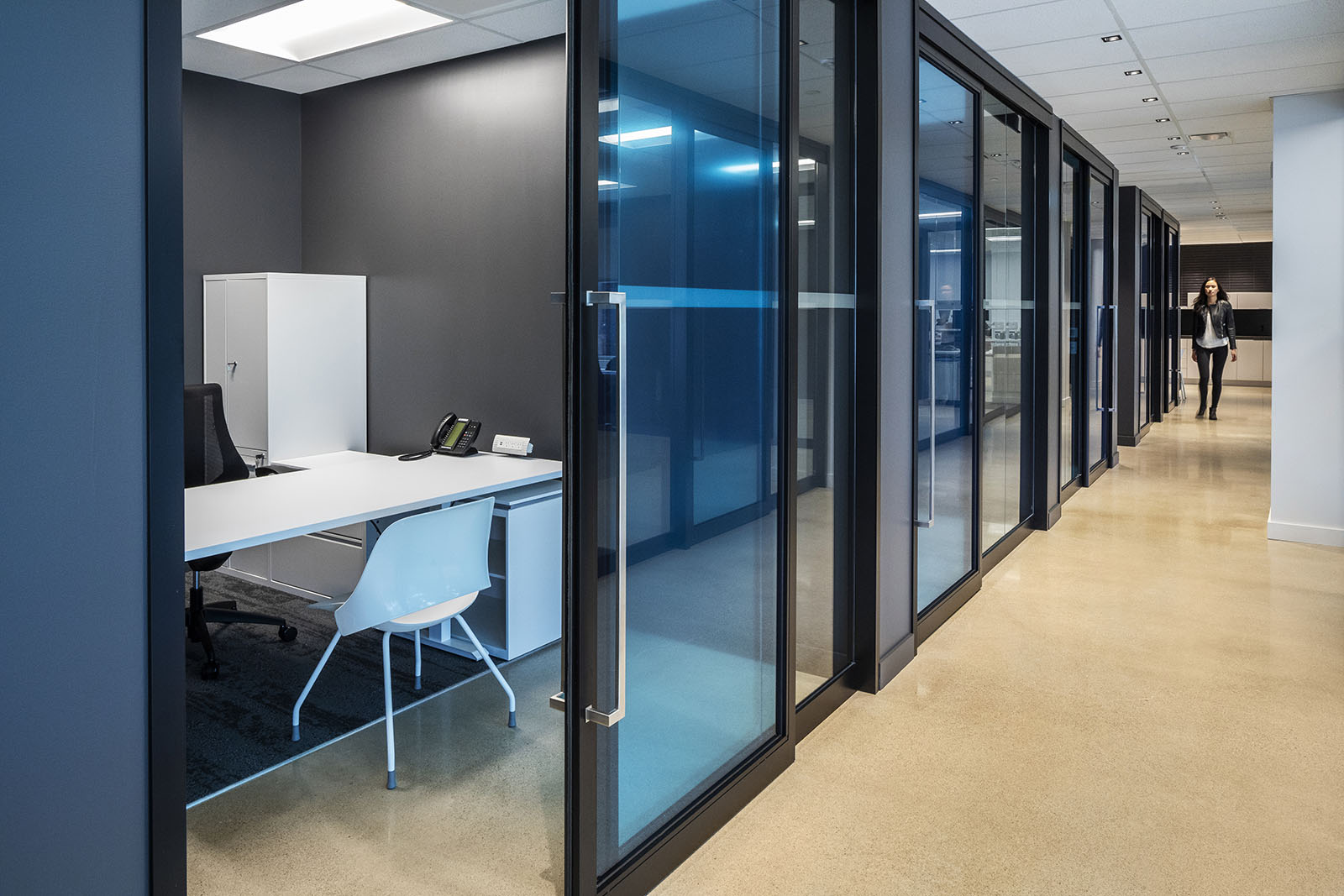
We Photograph Interiors the Way Designers Intend Them to Be Seen
At Philip Castleton Photography, we apply over two decades of interior photography techniques and commercial experience to every interior assignment, producing images that perform across portfolios, marketing materials, award submissions, and publications. Contact us to discuss your project and receive a prompt quotation.
