
Why Construction Progress Photography Matters Throughout a Project
A construction project is one of the most complex undertakings a developer, contractor, or project manager will oversee. It involves dozens of moving parts, multiple stakeholders, shifting timelines, and significant financial exposure at every phase. Construction progress photography is one of the most practical tools available for managing that complexity, and its value extends well beyond the final handover photograph.
Documentation That Protects Everyone
Construction disputes are expensive and time-consuming. According to OpenSpace’s research on construction site photo documentation, 70% of construction disputes stem from inadequate project documentation, and photo evidence can cut dispute resolution time from weeks to days. A consistent photographic record of site conditions, completed phases, material installations, and structural work creates an audit trail that protects developers, contractors, and subcontractors alike.
Professional photography across commercial construction markets has become a standard component of risk management for this reason. When questions arise about sequencing, workmanship, or compliance, a professionally documented photographic archive is far more defensible than a collection of informal mobile phone images.
Keeping Stakeholders Aligned
Not every stakeholder can visit a site at every stage of a project. Investors, lenders, architects, municipal authorities, and end-users all have an interest in understanding how a project is progressing, but their access to the physical site is often limited.
Construction photography professionals who produce regular, high-quality progress documentation give project teams the visual assets they need to communicate progress clearly and credibly to all parties.
As Horst Construction notes in their guide to construction imagery, time-stamped progress photography allows stakeholders to compare site conditions against project schedules and make informed decisions regardless of their physical location. This transparency reduces the frequency of on-site meetings, speeds up approval processes, and keeps lender and investor reporting on track.
Building a Marketing Asset From Day One
Construction progress photography is not only a project management tool. It is a marketing asset in development from the moment groundbreaking begins. The images produced during a project document the process, craftsmanship, and scale of work in a way that no completed-building photograph can replicate. For contractors and developers building their portfolios, a well-documented construction sequence tells a story of capability that finished imagery alone cannot convey.
According to StruxHub’s best practices for construction photography, regularly sharing project photos with marketing teams and stakeholders creates opportunities for social media content, press coverage, award submissions, and future business development. The investment in professional documentation compounds over time.
What Professional Progress Photography Looks Like
The difference between a professional commercial and architectural photographer documenting a construction project and an informal mobile phone record is significant. Professional progress photography is consistent in quality, composition, and coverage. It captures structural milestones, envelope completion, interior fit-out stages, and aerial overviews in a format that is immediately usable for reports, presentations, and marketing without additional production work.
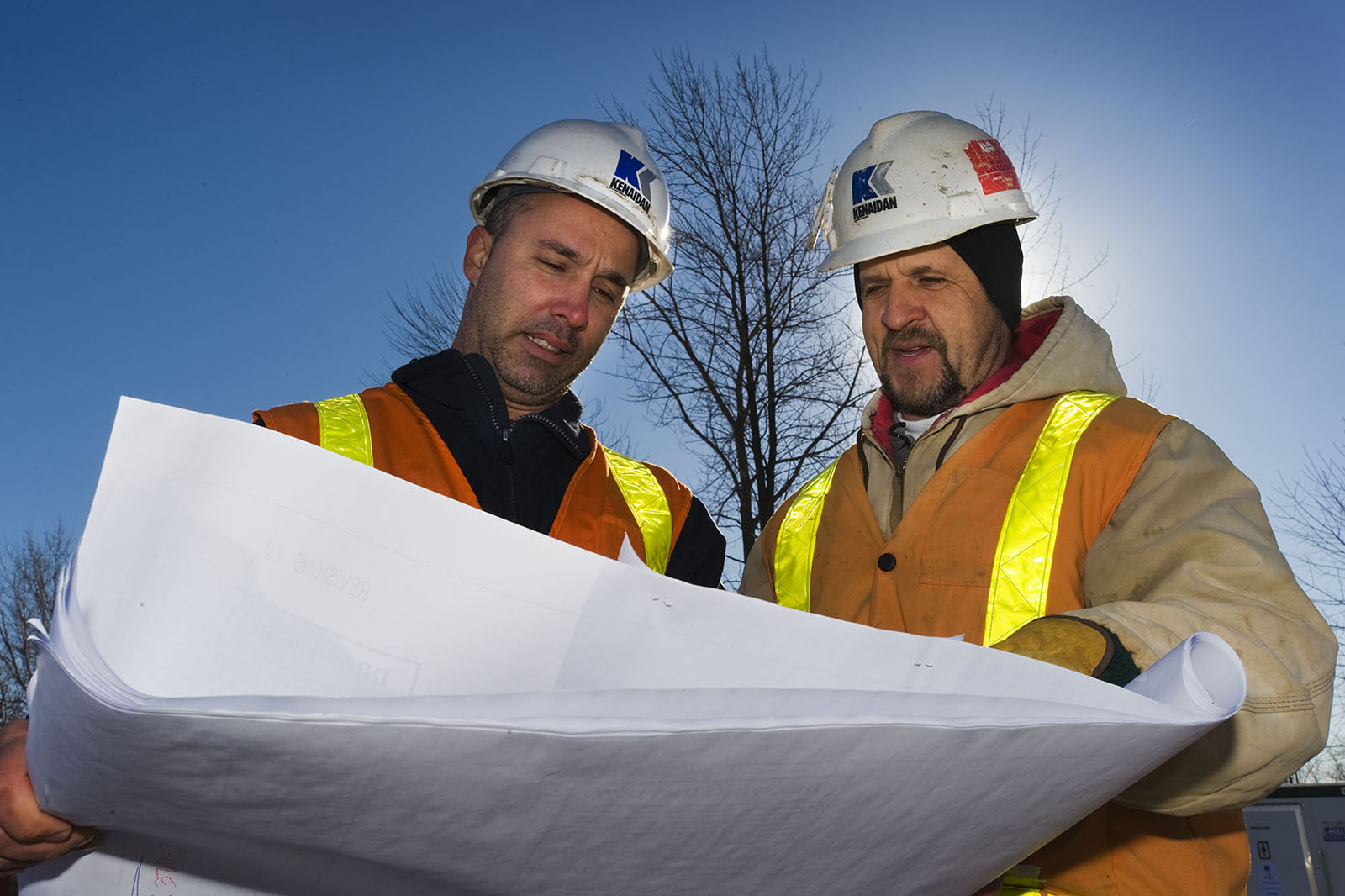
We Document Every Stage, Not Just the Finish Line
At Philip Castleton Photography, we bring over two decades of construction progress photography and commercial imaging experience to projects across Toronto and North America. Reach out to us to discuss your project timeline and documentation requirements, and we will respond promptly with a quotation.
