The Difference Between a Commercial Photographer and a General Photographer
Photography covers a wide range of specialties. While many photographers provide general services, commercial clients often require a more specialized skill set. Understanding the difference between a general photographer and a commercial photographer can help businesses make informed decisions when selecting a photography partner.
Commercial photography focuses on business communication. Images are created to support marketing, branding, advertising, and corporate storytelling.
Purpose and Professional Scope
A general photographer may focus on personal events, portraits, or lifestyle photography. Commercial photography, however, is designed specifically for business use.
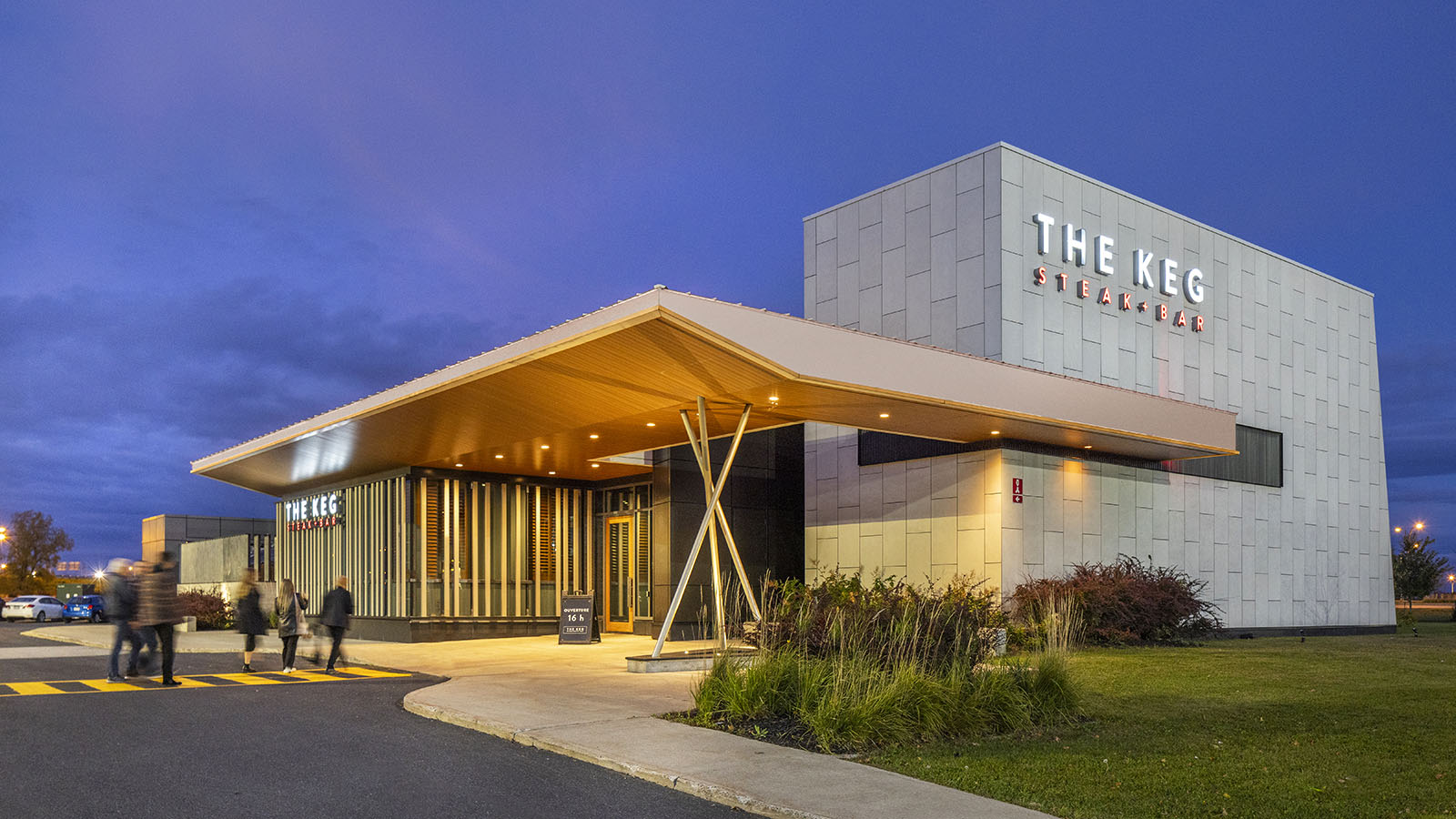
A commercial photographer works with organizations that need professional imagery for websites, marketing campaigns, product launches, and corporate publications.
These projects require not only technical expertise but also an understanding of brand identity and visual communication.
Specialized Equipment and Techniques
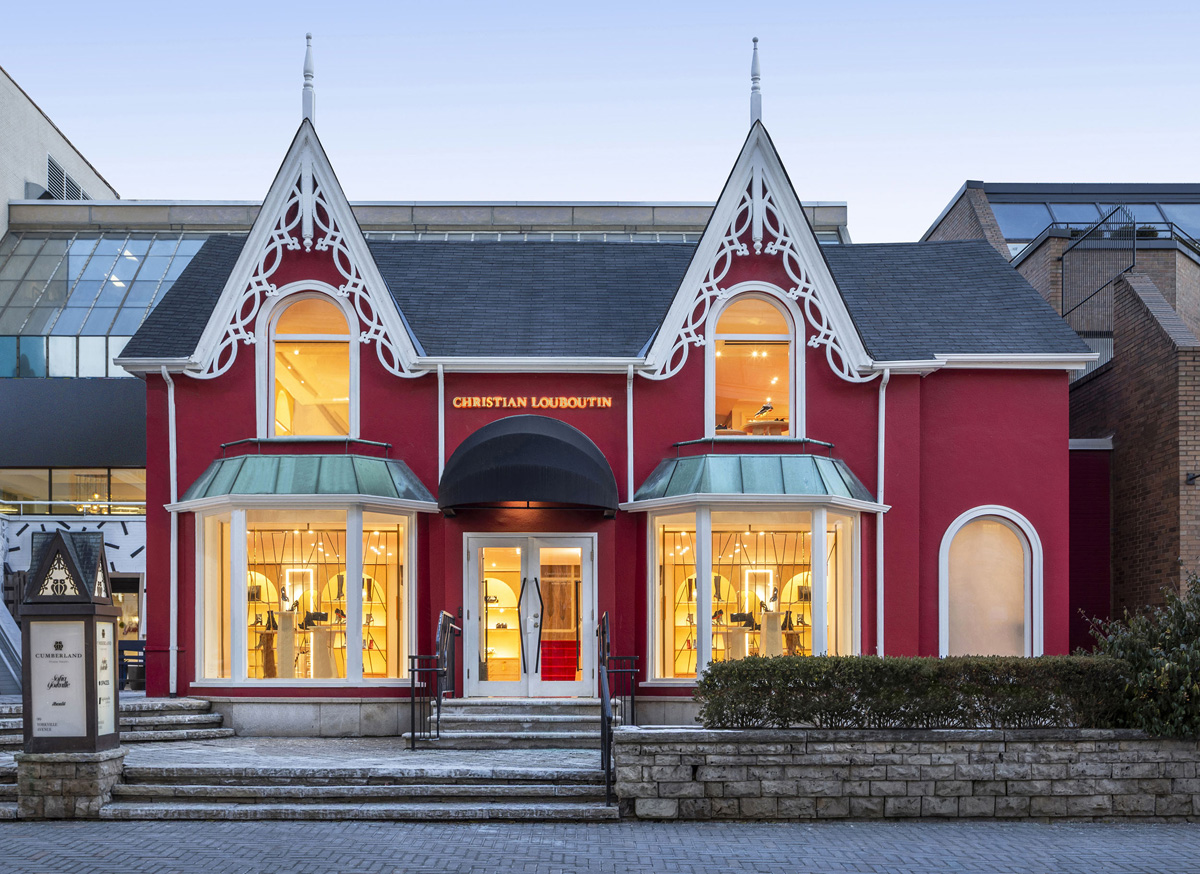
Commercial photography often involves complex setups. This may include studio lighting, architectural lenses, aerial photography tools, or specialized editing workflows.
Professionals providing professional commercial photography must also ensure that images meet technical standards for print, digital platforms, and large-format marketing materials.
This level of preparation allows businesses to use images confidently across multiple channels.
General Photography Techniques and Equipment
General photographers typically rely on portable cameras, standard lenses, and natural lighting to capture portraits, events, and lifestyle moments. Their setups are usually lightweight and flexible, focusing on quick composition and candid imagery rather than complex lighting systems or technical architectural tools used in commercial production.
Licensing and Professional Usage
One important difference between general and commercial photography is image licensing. Businesses often require usage rights for advertising campaigns, websites, and marketing collateral.
A professional commercial photography provider understands these licensing requirements and structures agreements that support long-term commercial use.
For example, in Canada, photographers automatically own the copyright to the images they create under the Copyright Act, so businesses are typically granted usage through licensing agreements rather than full ownership.
Commercial photographers structure these licenses to allow images to be used for advertising, websites, marketing campaigns, or corporate materials, ensuring clients have the proper rights for professional and commercial distribution.
This ensures that clients have the appropriate permissions for how their images will be distributed.
Structured Client Workflow
Commercial photography projects usually involve multiple stakeholders. Marketing teams, designers, project managers, and executives may all participate in planning the shoot.
Experienced business photography experts coordinate these collaborations to ensure that the final images align with brand goals and marketing strategy.
This level of coordination is rarely required in general photography.
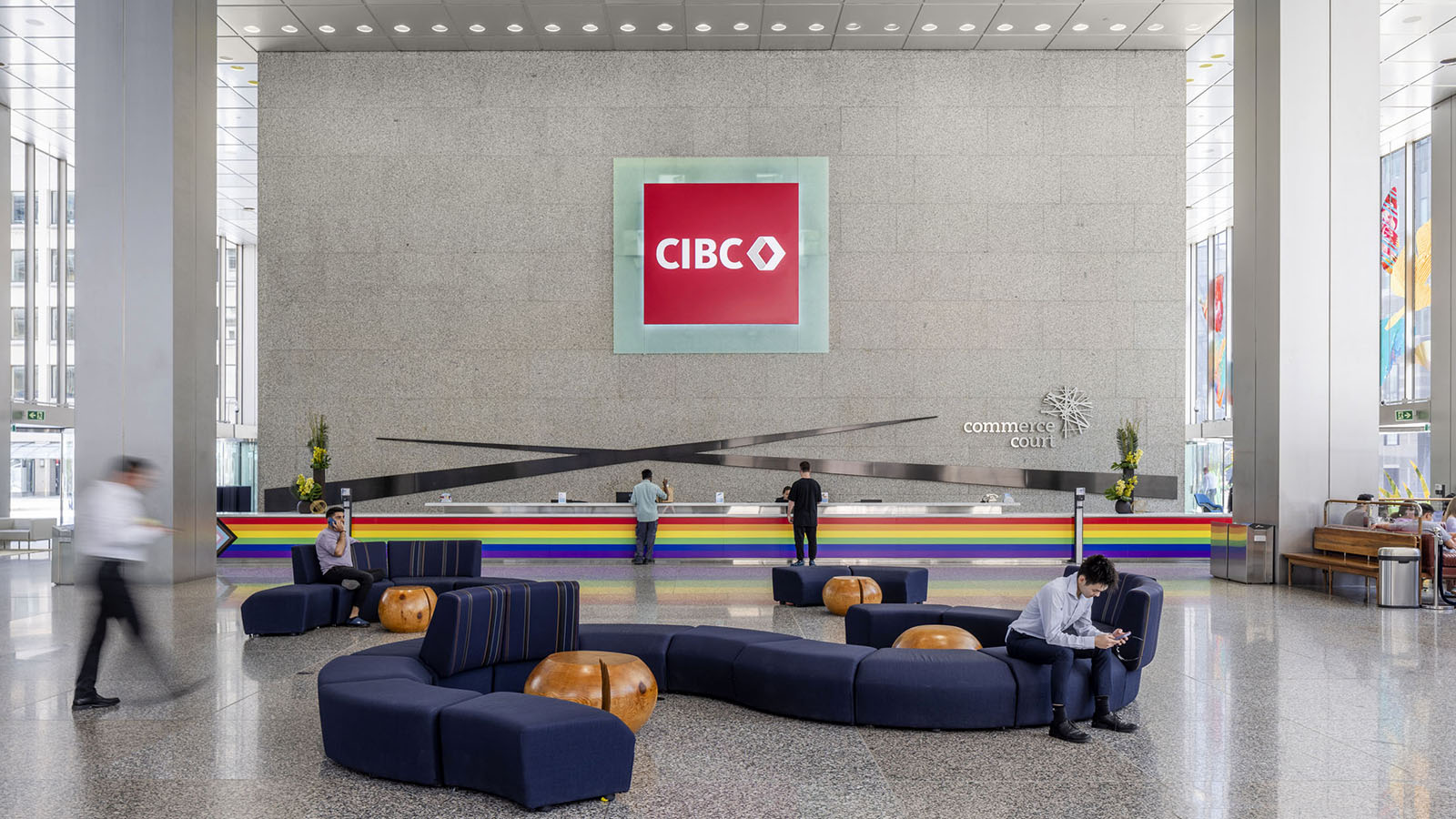
Supporting Business Growth Through Visual Content
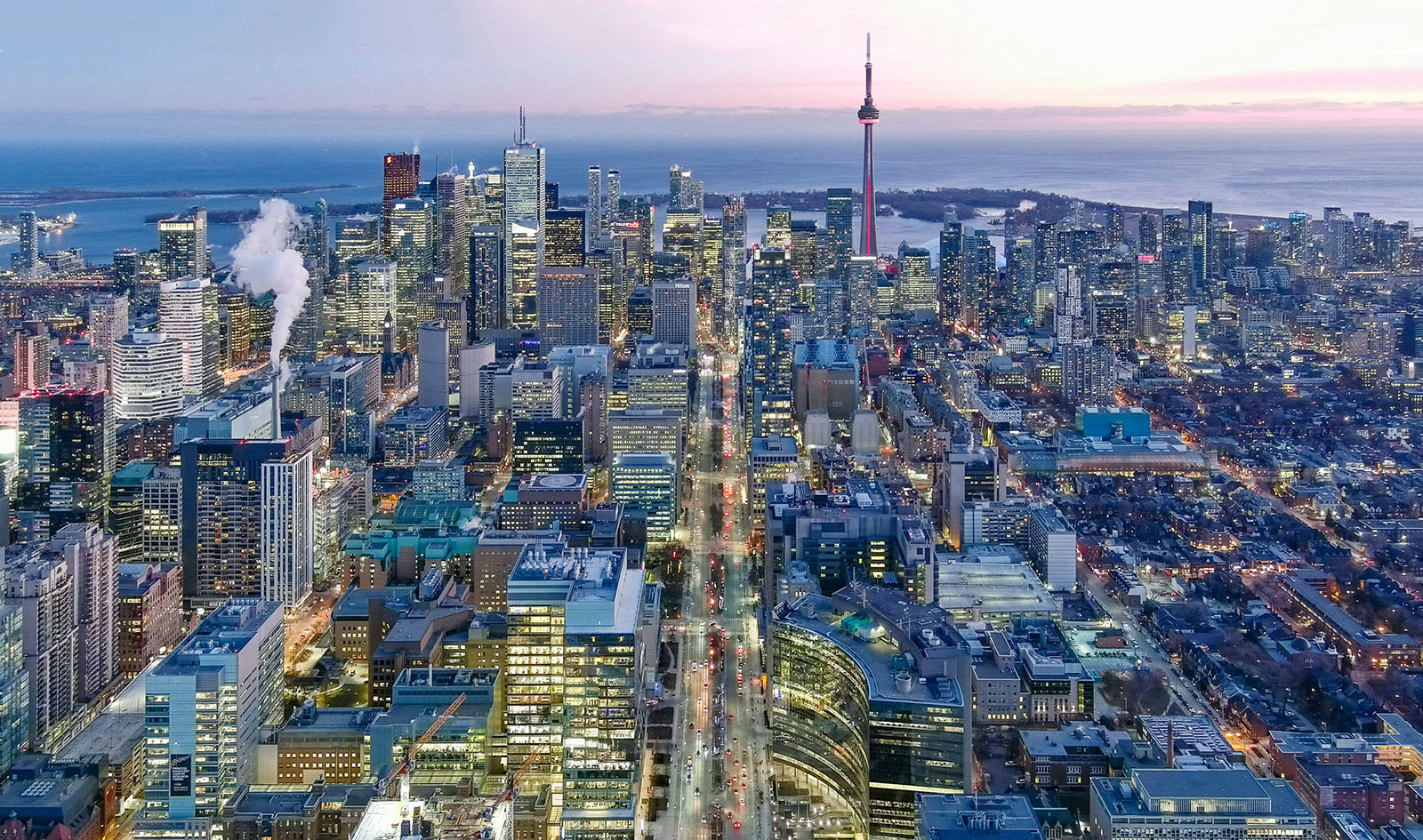
For businesses, photography is more than a creative service—it is a communication tool. The right imagery can strengthen branding, improve marketing materials, and reinforce professional credibility. If you’re a business in Toronto, we can help. The booming Canadian businesses need proper representation and imagery.
At Philip Castleton Photography, we work with organizations that require reliable commercial photography in Toronto for marketing campaigns, corporate communication, and brand development.
Companies seeking a trusted commercial photographer can reach out to discuss upcoming projects, campaign visuals, or long-term photography partnerships.